Unfurnished, semi-furnished or furnished
Almost every Dutch rental listing uses one of three words: kaal, gestoffeerd or gemeubileerd. It looks like a detail, but it decides what kind of home you’re renting, how much you’ll spend, and how long the home or room is rented out for.
Kaal (unfurnished). Just the walls, sometimes a bit more
A kaal home is empty. There’s usually no flooring, no curtains and often no lights. Sometimes there are just wires hanging from the ceiling. The kitchen and bathroom are usually there.
The advantage of this type is that you can furnish the home exactly the way you want. The rent is often higher, mainly because unfurnished homes are usually rented out for a long period. A downside is that you need to lay a floor and choose window coverings and lighting yourself. It’s an investment, but you get exactly what you want.
Pay attention when you move out. With an unfurnished home, you often have to hand it back unfurnished too. That means removing your floor, unless the next tenant wants to take it over. Always check your rental agreement to see how the handover (oplevering) works.
Gestoffeerd (semi-furnished). Ready for your furniture
A gestoffeerd home has the basics: flooring, window coverings and usually lighting. You bring your own furniture and can move in almost straight away.
For many starters, this is a comfortable middle ground. You don’t have to do any DIY, and you live among your own things. The rental period may be shorter than for an unfurnished home.
Note: gestoffeerd doesn’t translate neatly into English. It’s sometimes called “upholstered” or “semi-furnished”, but it never includes furniture.
Gemeubileerd (furnished). Just bring your suitcase
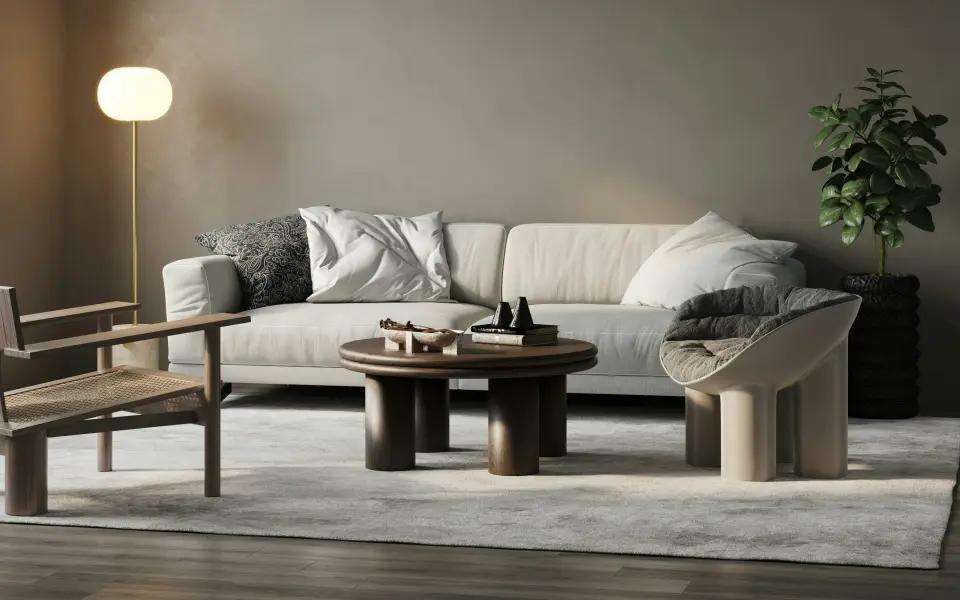
A gemeubileerd home is fully furnished. Besides flooring and curtains, there’s furniture such as a bed, sofa, table and chairs, and often plates, pans and sometimes even bed linen.
That’s useful if you want to live somewhere temporarily, have just moved to the Netherlands, or don’t have your own things yet. You can sleep in your new bed the day you get the keys.
The downside is that a furnished apartment or house is often more expensive, and rental periods are often shorter. You live with someone else’s taste. Already have furniture? Then you’ll need to store it, or check whether you’re allowed to bring your own pieces.
What do you pay for the furnishings?
With a semi-furnished or furnished home, you often pay a fee for the furnishings on top of the base rent. Sometimes it’s listed separately, sometimes it’s part of one total amount.
That fee should be in proportion to what the items are worth. The Huurcommissie (the Dutch rent tribunal) uses fixed depreciation periods: durable items such as a dishwasher or laminate flooring are written off over ten years. A €500 dishwasher works out to about €4.17 per month.
So a single line like “furnishing €150 per month” doesn’t tell you much. If in doubt, always ask for a list of what’s in the home. A landlord who charges fairly can simply provide one.
Also keep rent allowance (huurtoeslag) in mind. The fee for furniture and furnishings doesn’t count towards it.
Which one suits you?
A few questions to help you choose:
How long will you stay? For a year or less, furnished is often cheaper than buying everything yourself. Staying longer? Then an unfurnished or semi-furnished home pays for itself.
Do you already have things? With your own furniture, semi-furnished is usually the logical choice.
How much money do you have now? An unfurnished home needs an investment up front. Furnished spreads the cost over the rent.
How soon do you need to move? Semi-furnished and furnished homes are ready to live in. With unfurnished, count on a few weeks of work.
Don’t search too narrowly
Homes are scarce. If you only search for furnished homes, you’ll see only part of what’s available. If you’re torn between two options, include both in your search. That way, you won’t miss a home that would actually suit you fine.